Back to Spa & Wellness
Spa & WellnessAugust 1, 20262 min read

Why a Clean, Licensed Nail Salon Matters for Your Health

Learn what sanitation and professional licensing should look like at a nail salon, why both matter, and which questions you can ask before a service.

Anna Huynh, Nail Technician

Anna Huynh

Nail Technician

California State Board of Barbering and Cosmetology · 5 years of professional experience

Spa & Wellness at Luxe's Nails & Spa

A clean, licensed nail salon protects your well-being through prepared workstations, responsible tool and single-use item handling, clean technician practices, and professional accountability. Licensing connects technicians to formal education and sanitation standards, while visible habits show how those responsibilities are applied. Ask questions before a service and pause if you see an open wound, suspected infection, unclear tool handling, or a practice that makes you uncomfortable.

Key Takeaways

  • Clean processes matter more than clean-looking decor
  • Licensing provides professional standards and accountability
  • Clients can ask how tools and single-use items are handled
  • Responsible salons pause services when health concerns appear

Why does nail-salon cleanliness matter?

Nail services involve close contact with skin, nails, tools, and shared work areas. Clean hands, prepared stations, appropriate tool handling, and responsible product use reduce avoidable exposure and build trust. You should never feel awkward asking how a salon cleans between clients or requesting that a service pause if something looks unsafe.

In Summary

  • A clean station should be prepared for each client.
  • Reusable and single-use items require different handling.
  • Licensing establishes professional accountability and training standards.
  • You can ask sanitation questions before any service begins.

What does professional licensing tell you?

Luxe's Nails & Spa treats licensing as a visible part of professional care. Its team credentials identify oversight through the California State Board of Barbering and Cosmetology. Licensing does not replace your own observation, but it creates a formal standard for education, sanitation responsibilities, and accountability that an unlicensed provider cannot honestly offer.

Visible hygiene cues and respectful questions
What to noticeReassuring signQuestion you can ask
WorkstationClean surface prepared for your serviceWas this station cleaned between clients?
ToolsStored and handled separately after cleaningHow are reusable tools processed?
Single-use itemsFresh item opened or provided for youIs this item used only once?
TechnicianClean hands and attentive skin checksCan we avoid this tender area?

How can you evaluate a salon before sitting down?

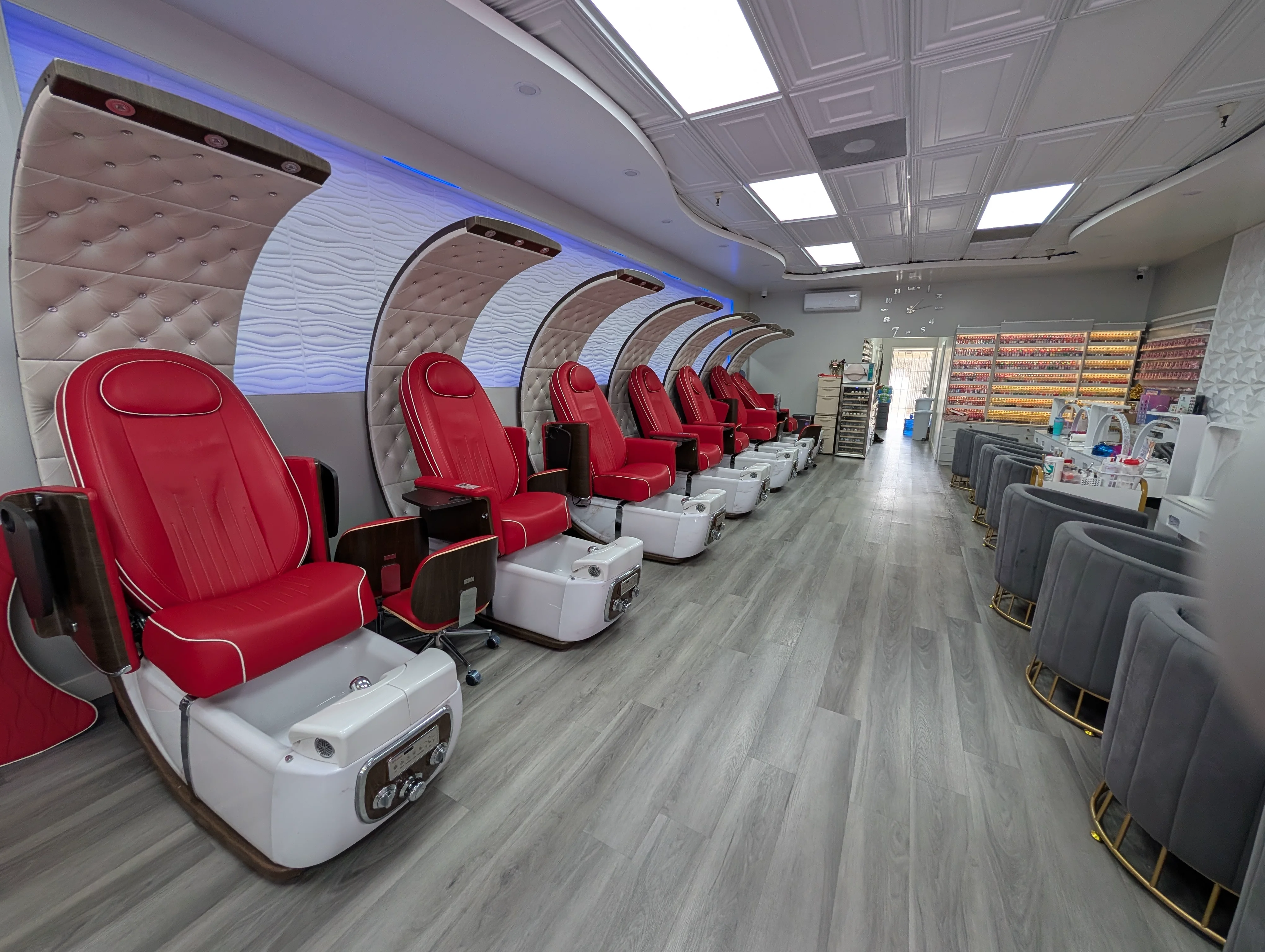
Look beyond scent and decor. Notice whether the station is reset, supplies are organized, waste is removed, and technicians respond clearly to hygiene questions. A quality neighborhood salon should welcome respectful curiosity. Transparent answers matter more than vague promises, and a clean process should remain consistent whether you book a simple manicure or a detailed pedicure.

  1. Check that a fresh, orderly station is ready for you.
  2. Observe how tools and single-use items are handled.
  3. Tell the technician about cuts, irritation, or product reactions.
  4. Ask for an explanation if any sanitation step is unclear.
  5. Postpone the service when skin or nails show a health concern.

Warning: Do not place cosmetic product over an open wound, painful swelling, drainage, or suspected infection. A responsible salon should pause the service and direct you to appropriate medical care rather than trying to cover the concern.

Deserves a prepared station
Every client
Needs appropriate item handling
Every service
You may ask a safety question
Any time

Benefits at a Glance

BenefitDescriptionResult
Lower avoidable exposurePrepared stations and responsible item handling reduce riskA more comfortable service environment
Professional accountabilityLicensing connects work to formal standardsClearer expectations for technician conduct
Client confidenceTransparent answers make hygiene practices understandableYou can make an informed service choice

Frequently Asked Questions

How can I tell whether a nail salon is clean?
Look for a freshly prepared station, orderly supplies, responsible separation of used items, clean technician hands, and clear answers about tool handling. Clean-looking decor alone is not enough.
Why should a nail technician be licensed?
Licensing connects the technician to required education, sanitation responsibilities, and regulatory accountability. It gives clients a meaningful professional standard beyond marketing claims or visual appearance.
Is it rude to ask how tools are cleaned?
No. A respectful sanitation question is reasonable, and a professional salon should answer without making you feel uncomfortable. You may also ask whether an item is reusable or single-use.
When should a salon refuse a nail service?
A salon should pause cosmetic care when there is an open wound, painful swelling, drainage, suspected infection, or another condition outside a technician's scope. The appropriate next step is qualified healthcare guidance.

Visit Luxe Nails & Spa

4372 Thornton Ave, Fremont, CA 94536

Serving Fremont, Newark & Union City

Mon, Wed-Sat: 10:00 AM – 7:00 PM

Sunday: 10:00 AM – 6:00 PM

Tuesday: Closed

Explore Related Services